
What Four Workshops Taught Us
Digital Change for Climate Justice: What Four Workshops Taught Us
# Digital Change for Climate Justice: What Four Workshops Taught Us
Earlier this year, with support from a Changemakers micro grant, we ran a series of workshops asking a question that turns out to be harder than it sounds: what does the internet actually have to do with climate justice?
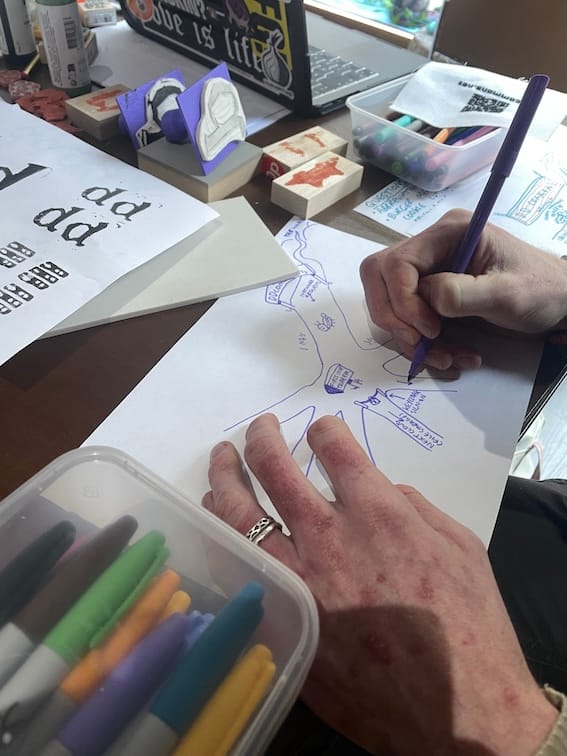
The answer, we found, is a lot. And most people have never been invited to think about it.
## Starting with the invisible
The series began with Making the Invisible Visible: How the Internet Really Works, a session built around a simple but revealing exercise. We asked participants to sketch the internet.
Almost everyone found it difficult, because the internet is designed to be invisible. Most of us interact with content: apps, feeds, search results, and rarely see the infrastructure underneath: the cables, servers, data centres, and energy that make all of it possible. Participants told us they found it hard to even separate content from infrastructure in their own minds. This gap is exactly what this project set out to close.
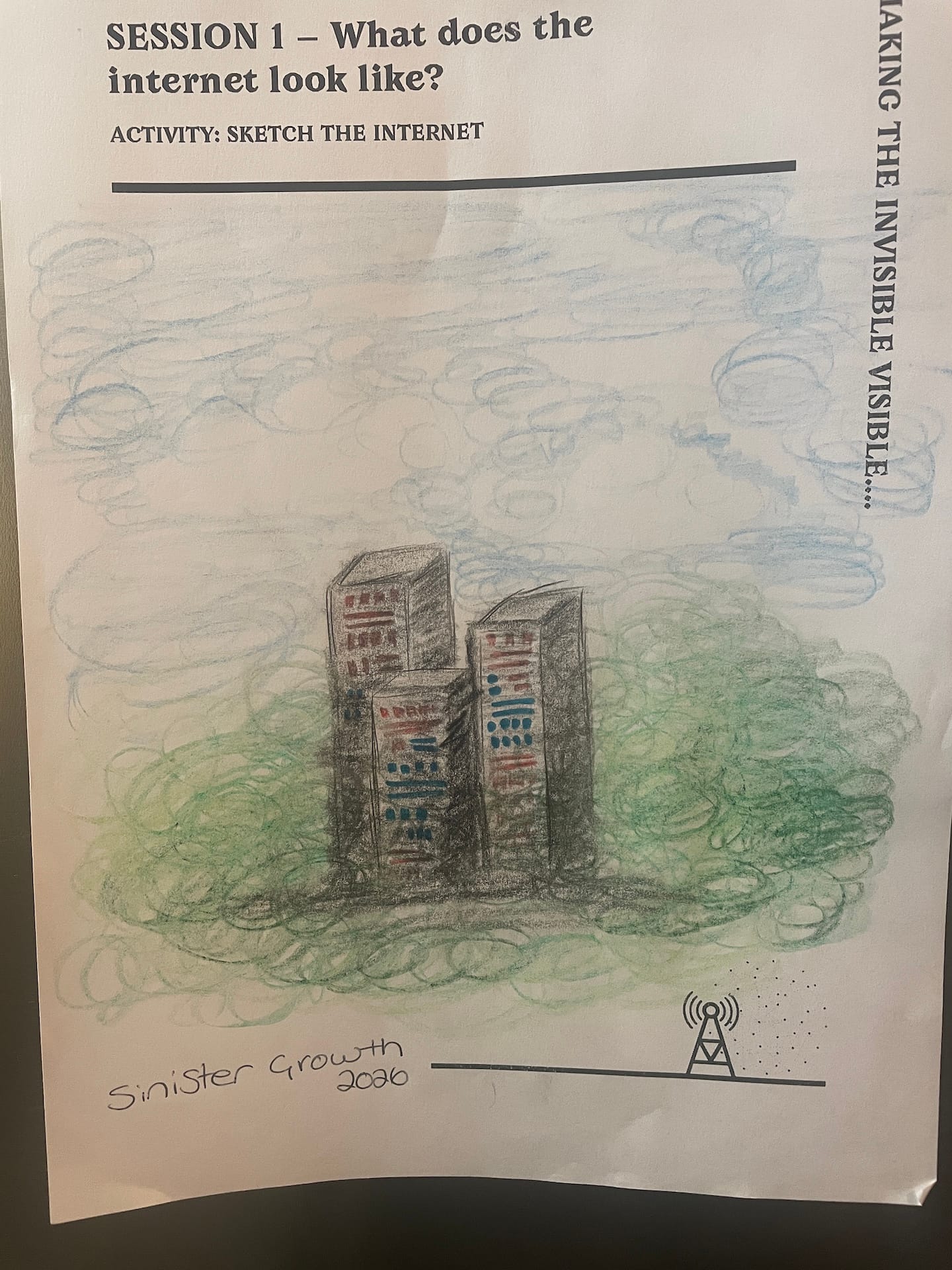
The workshop produced a reusable workbook, so the session can be run again by others, with different communities or groups.
## Letting the workshops change shape
We had originally planned four fixed sessions. What actually happened worked out better: workshops two and three changed shape entirely, based directly on what participants told us after workshop one.
Workshop two became a tabletop game making session built around a speculative scenario: a global energy shortage has forced widespread shutdowns, digital infrastructure has been switched off by governments, activists, and simple unsustainability, and communities are left asking who controls what remains, who they can trust, and what new forms of cooperation or conflict emerge. Participants used game design to work through questions of resilience, trust, and climate justice, and left with working prototypes and a lot to discuss.
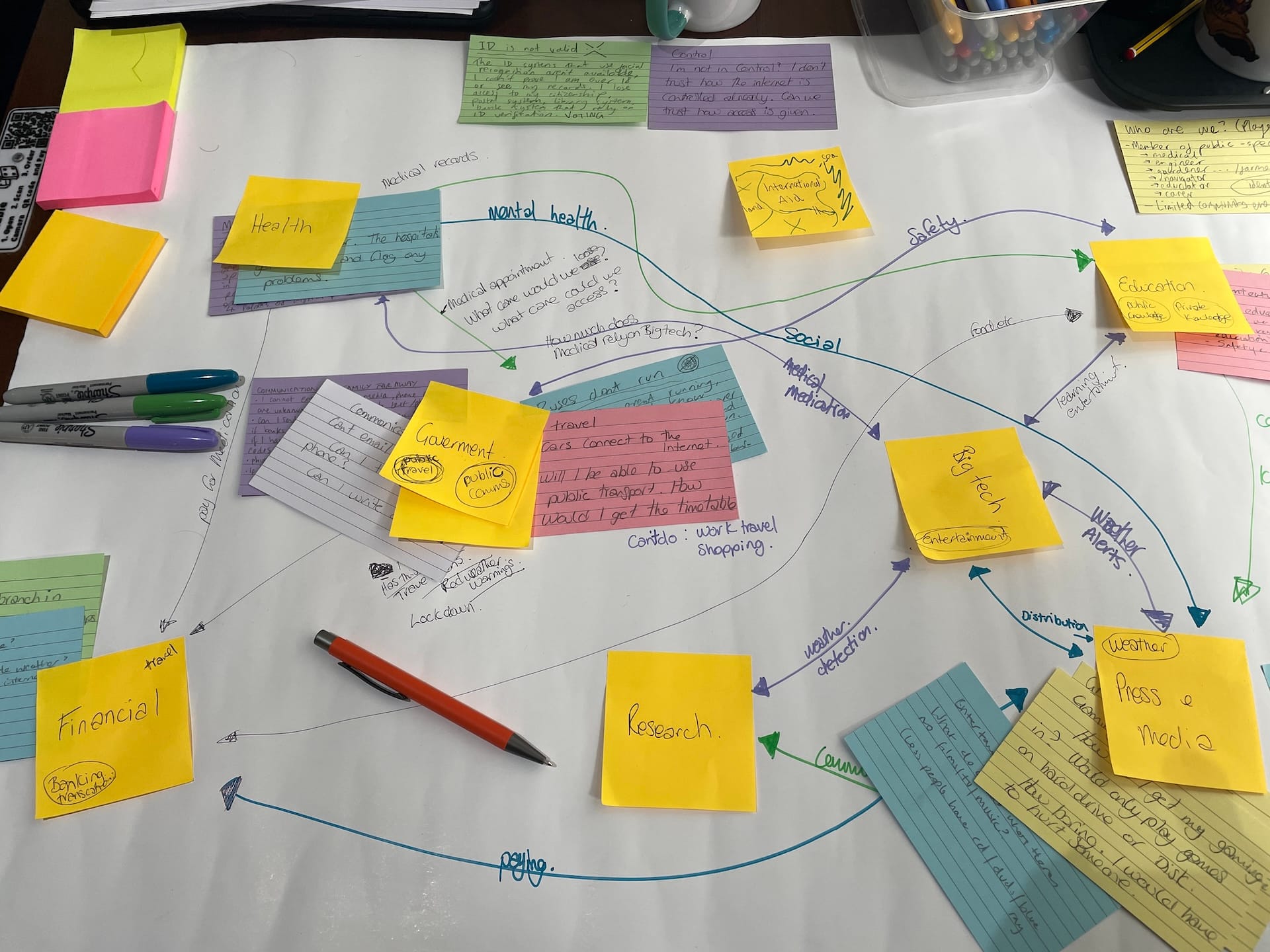
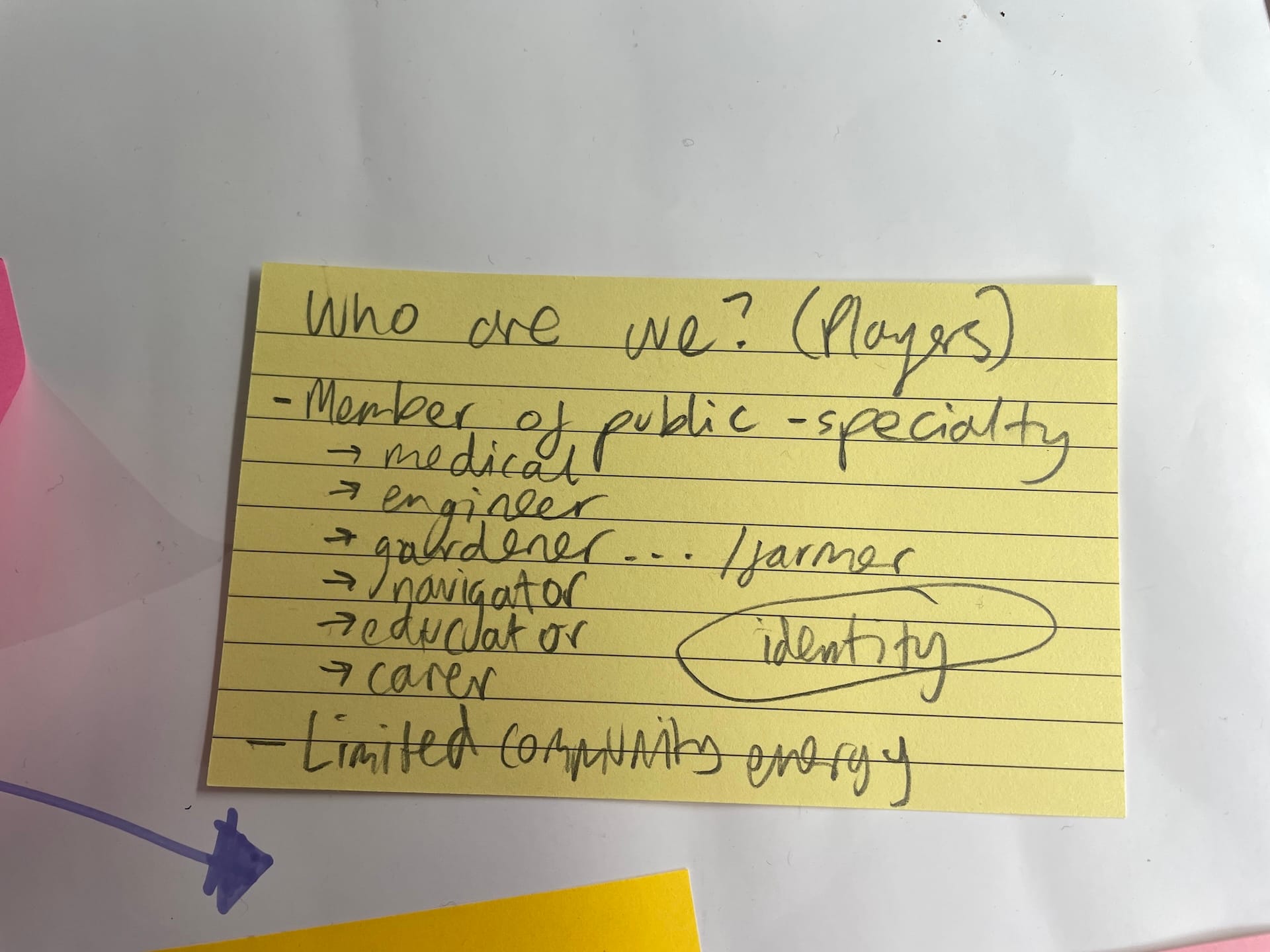
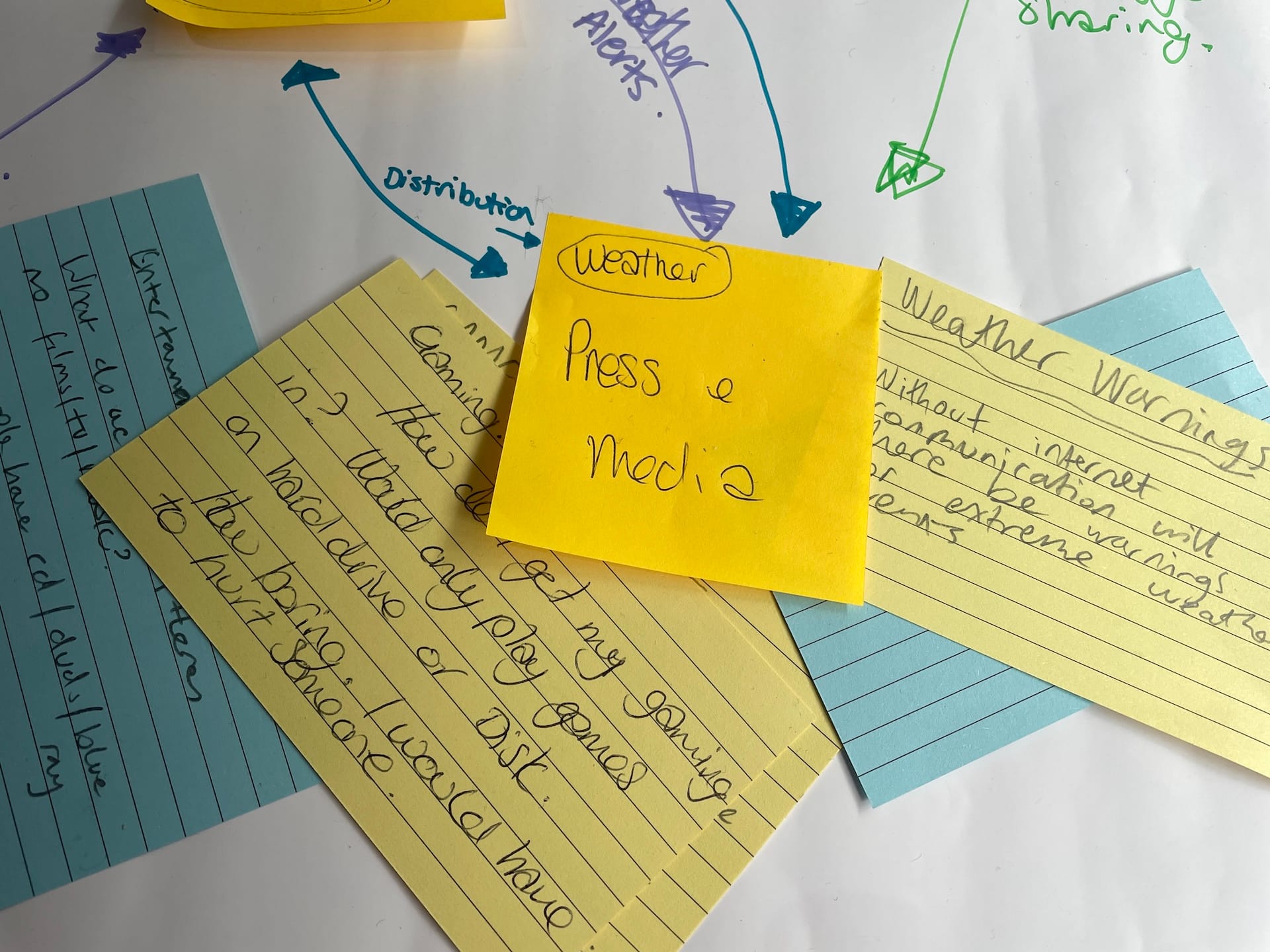
workshop with post its, sketches and game mapping
Workshop three became Drop In & Power Down, a relaxed, low pressure session (tea and cake included) on reducing your digital carbon footprint. Participants left with reflections we think are worth sharing directly. One told us:
"I feel that it is very difficult to get an accurate picture of my digital carbon footprint at a granular level, but stepping back and trying to understand the global movement of my digital actions, even if I can't quantify them, gives me a better sense of how my data is distributed. Now I can take steps to manage it and be aware of reducing my carbon footprint."
Others said they wanted to check emails, messages, and websites less by default, and one participant is now working to make their own website less energy intensive.
## Building something that lasts
The final workshop, Co Creating an Open Source Learning Pack, turned everything the group had learned into a shared resource. It produced a wiki documenting the series, currently private while we finish it, but built to be made public and reused by other communities running similar sessions.
## What was hard, and what came next
The honest challenge running through this project was convincing people that digital ethics is something worth thinking about for themselves, not an abstract policy issue. It is still early days, but interest is growing. STV has been in touch about covering the workshops, and the format is now being adapted for a new series with Bioregioning Tayside.
That is the point of a project like this: not to hand people a finished answer, but to give them a way to see a system that was built to stay hidden, and to start asking their own questions about it. Once you can see the infrastructure, you can start to imagine owning it, understanding it, and shaping it collectively. That is the work DDCommons exists to do, over time.
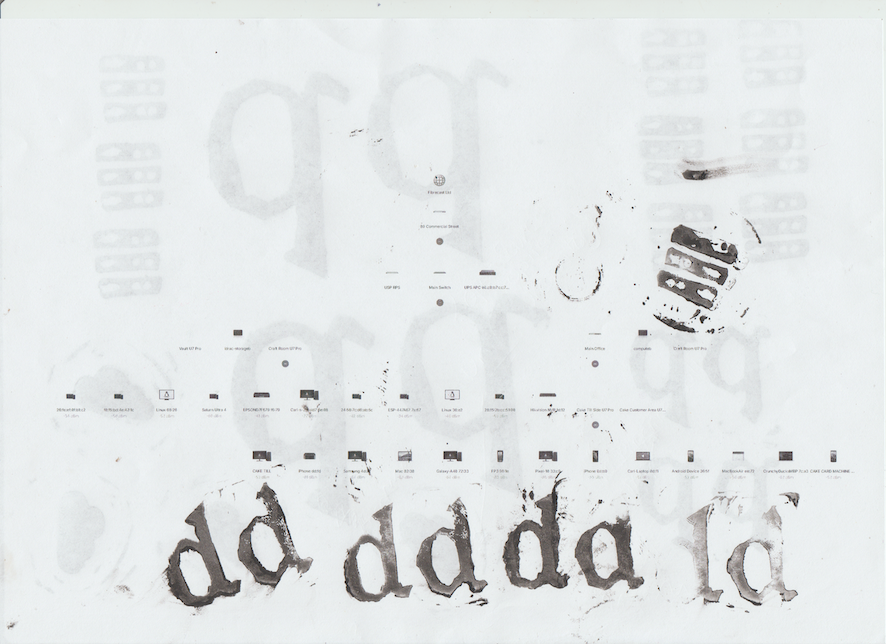
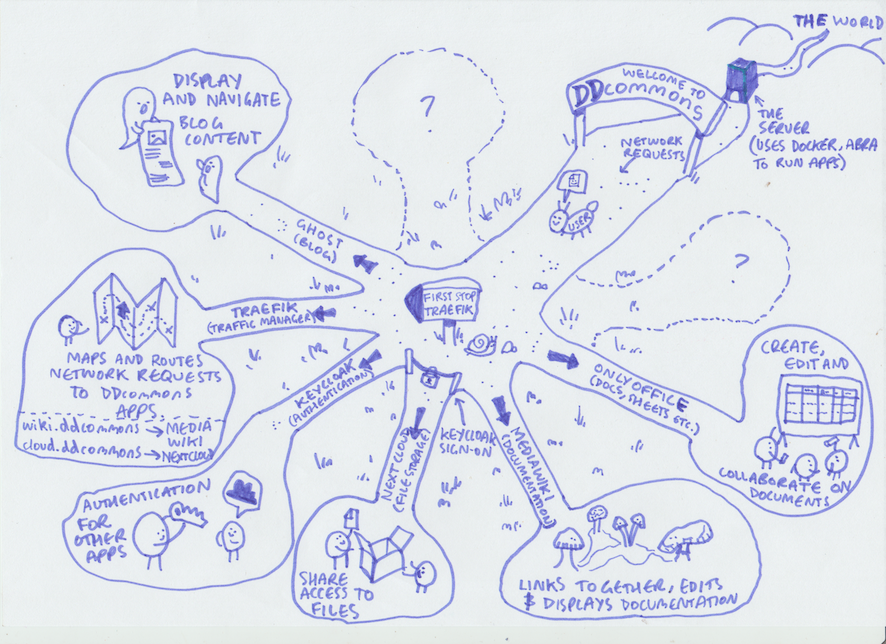
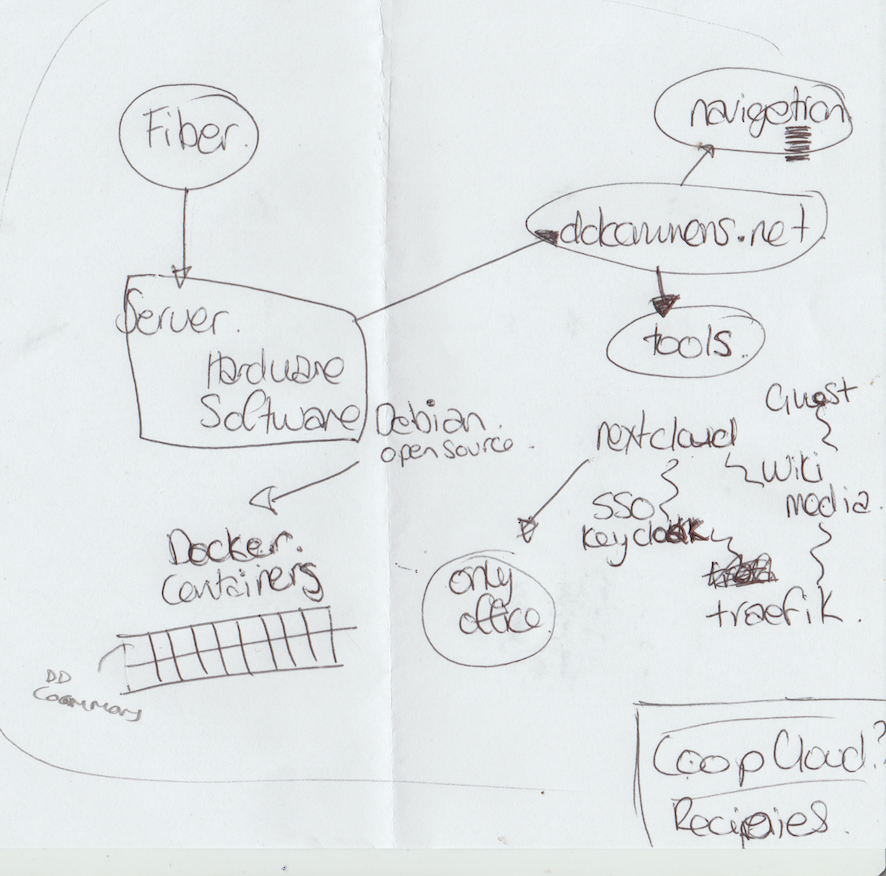

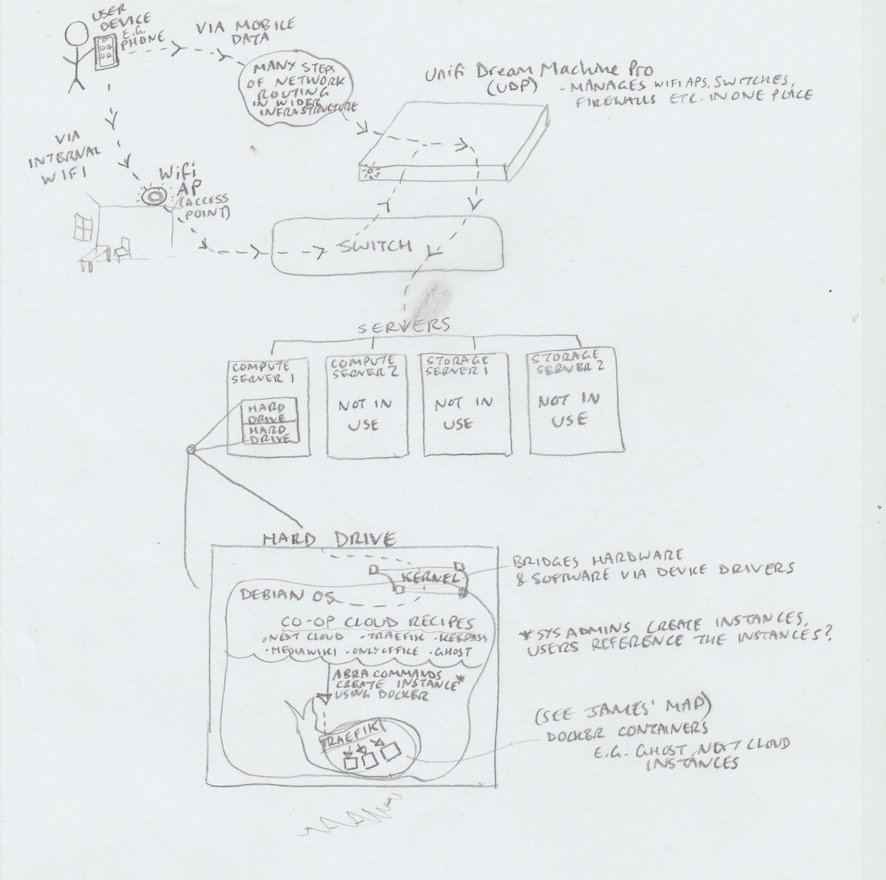
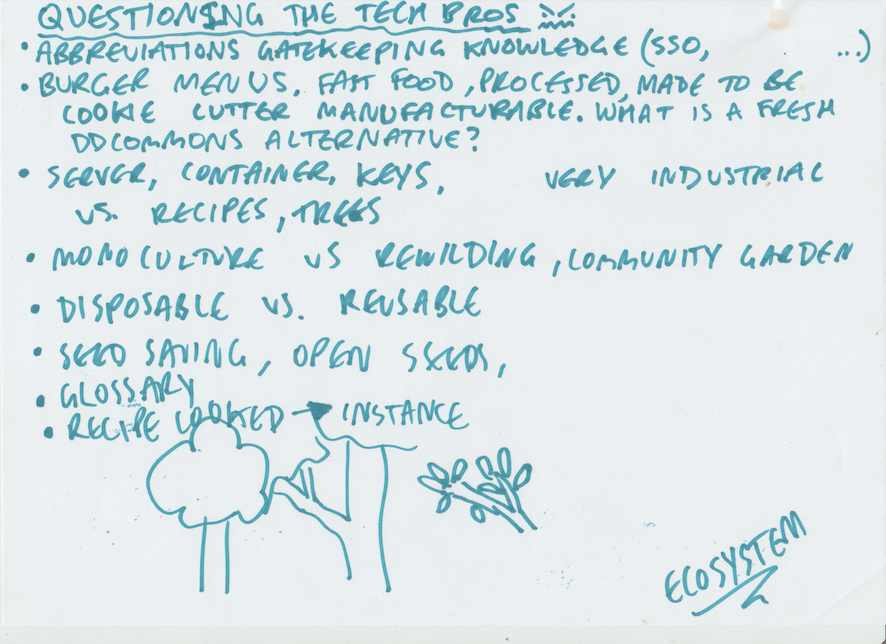
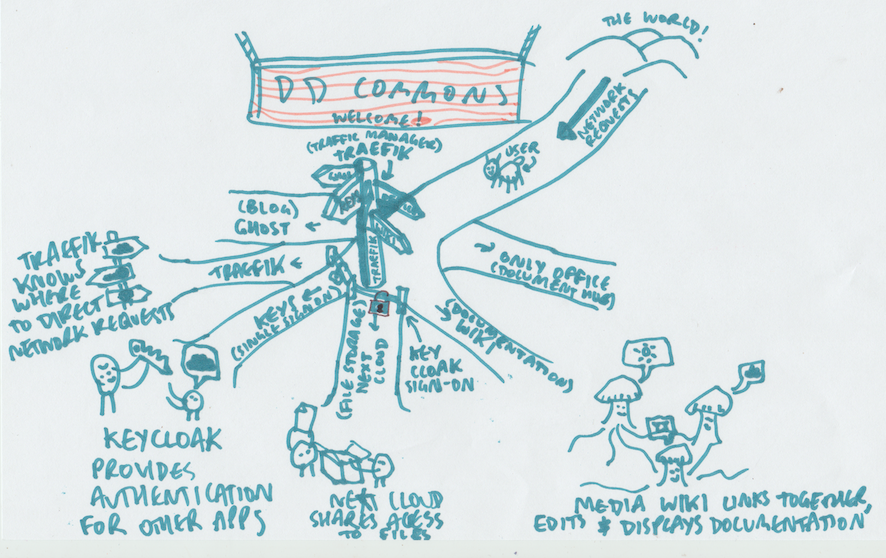
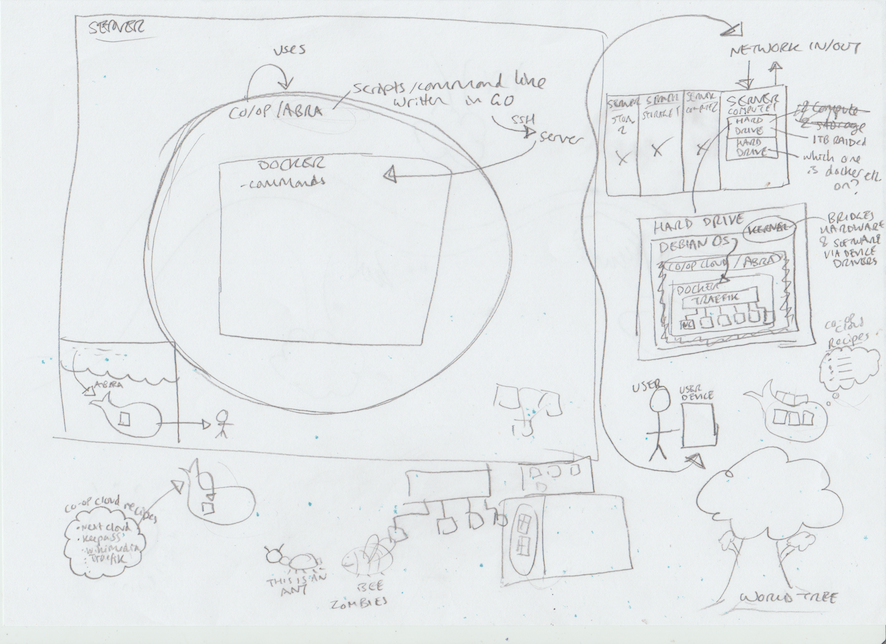
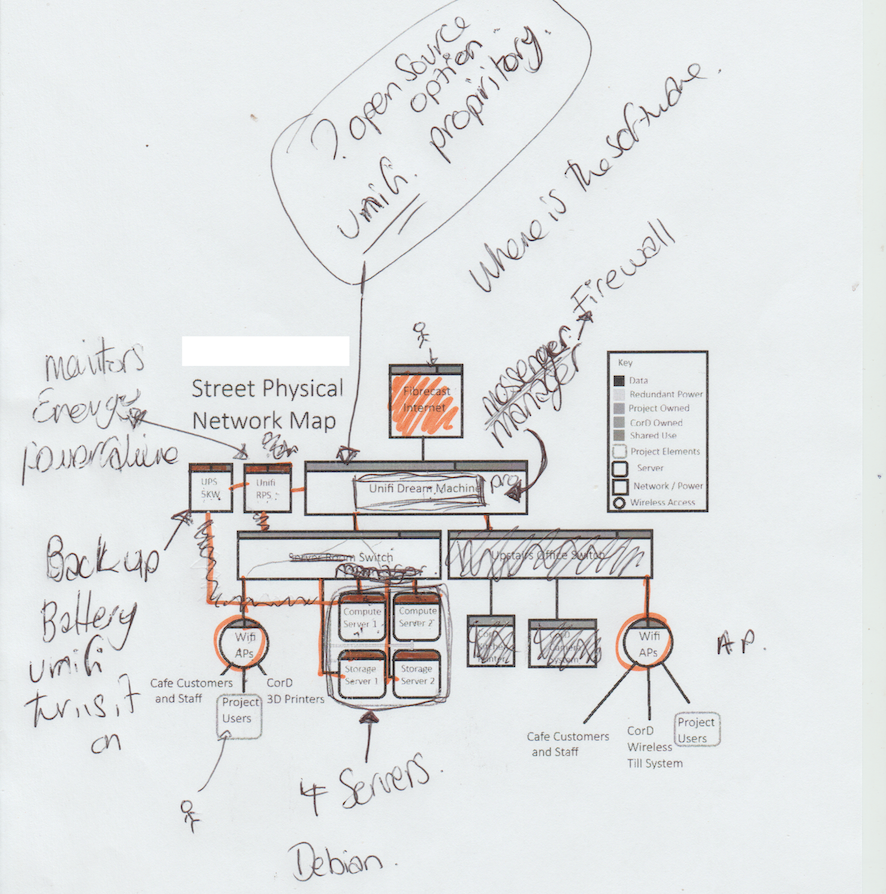
Ideas, notes and sketches
If you would like any of the resources we created, please get in touch
Thanks to Dundee Changemakers for supporting this project.